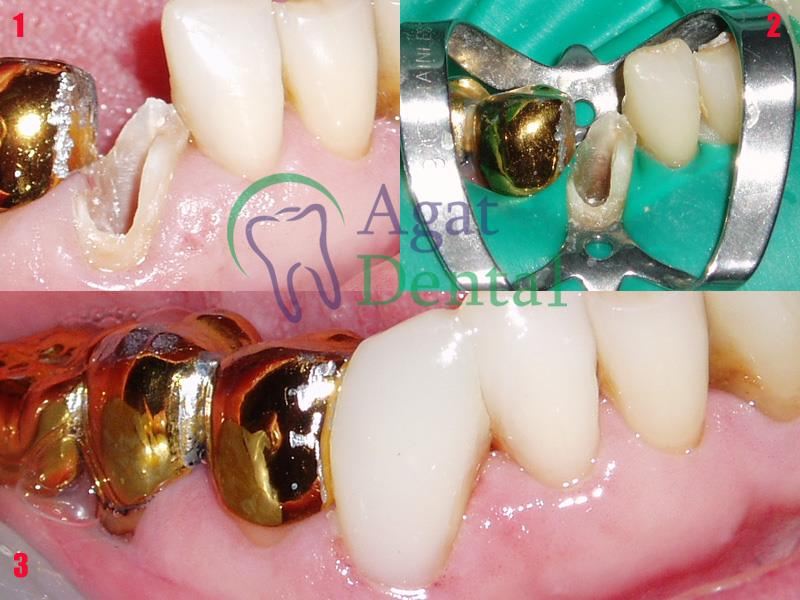
Modern orthopedics in Agat Dental combines precision, aesthetics, and a personalized approach to each patient. We restore missing teeth so that they look and feel as natural as possible. We use only high-quality, biocompatible materials that ensure durability and comfort. Our doctors select the optimal solution—crowns, bridges, veneers, removable or fixed prosthetics—based on the oral condition and the patient’s preferences. Thanks to advanced equipment, we achieve exceptional accuracy in all orthopedic work. Every construction is designed with consideration for individual anatomy, bite, and natural smile characteristics. We pay special attention to aesthetics so the final result looks harmonious and natural. The treatment process is comfortable and as painless as possible. Patients value our attentiveness, accuracy, and high level of professionalism. Orthopedic dentistry in our clinic helps restore self-confidence, improve quality of life, and fully return chewing function. Trust your smile to our experienced doctors, and we will create a result that will delight you for many years.
Veneers

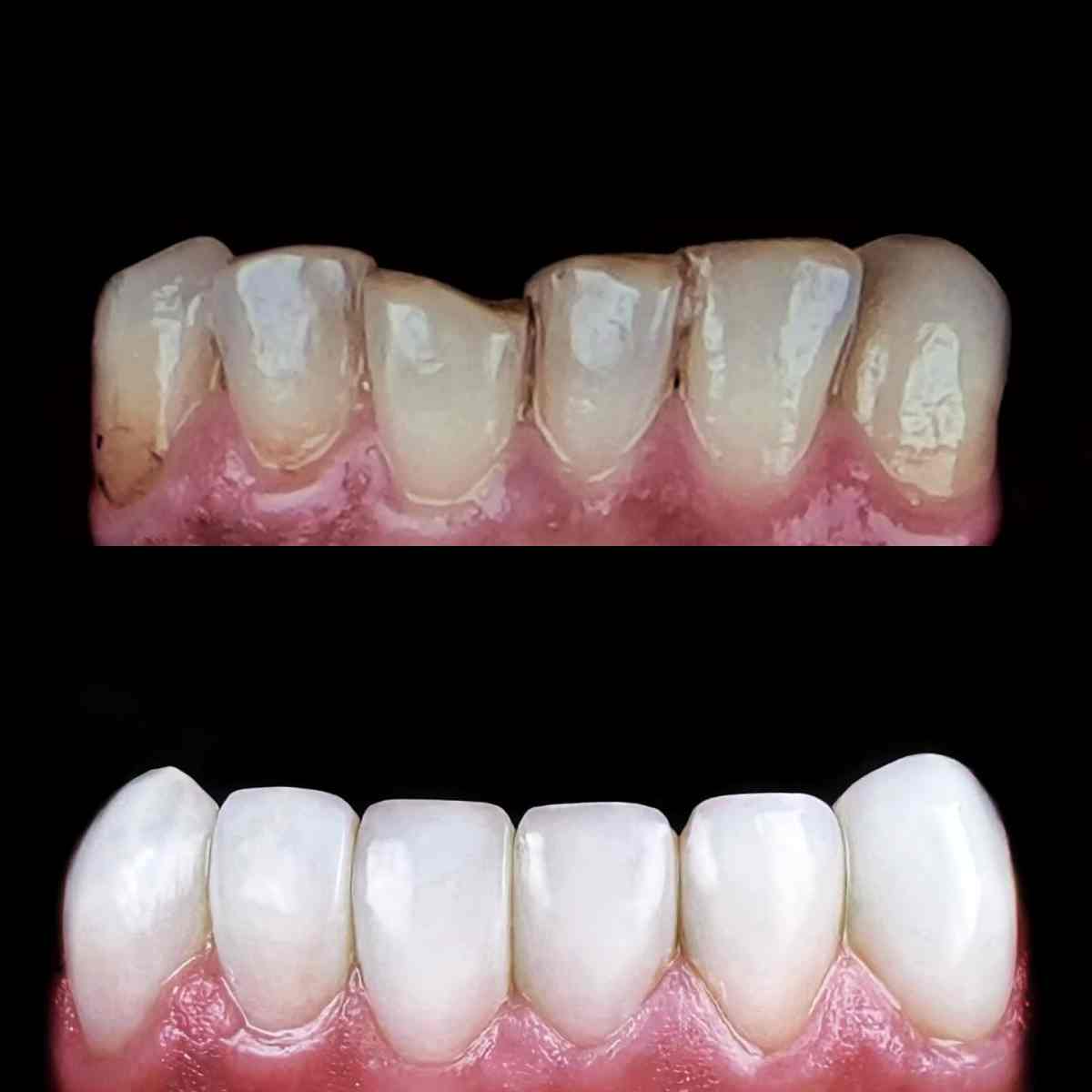
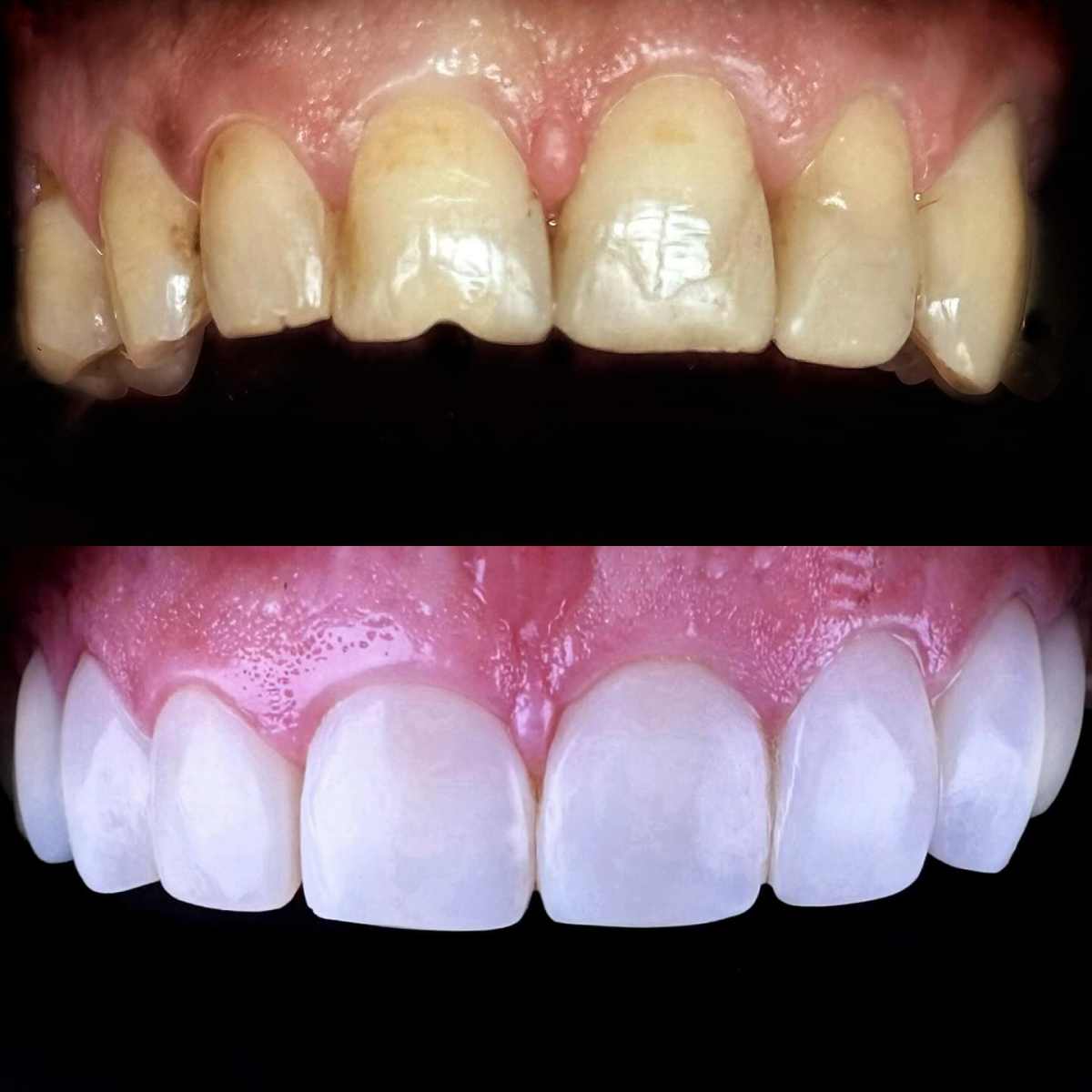
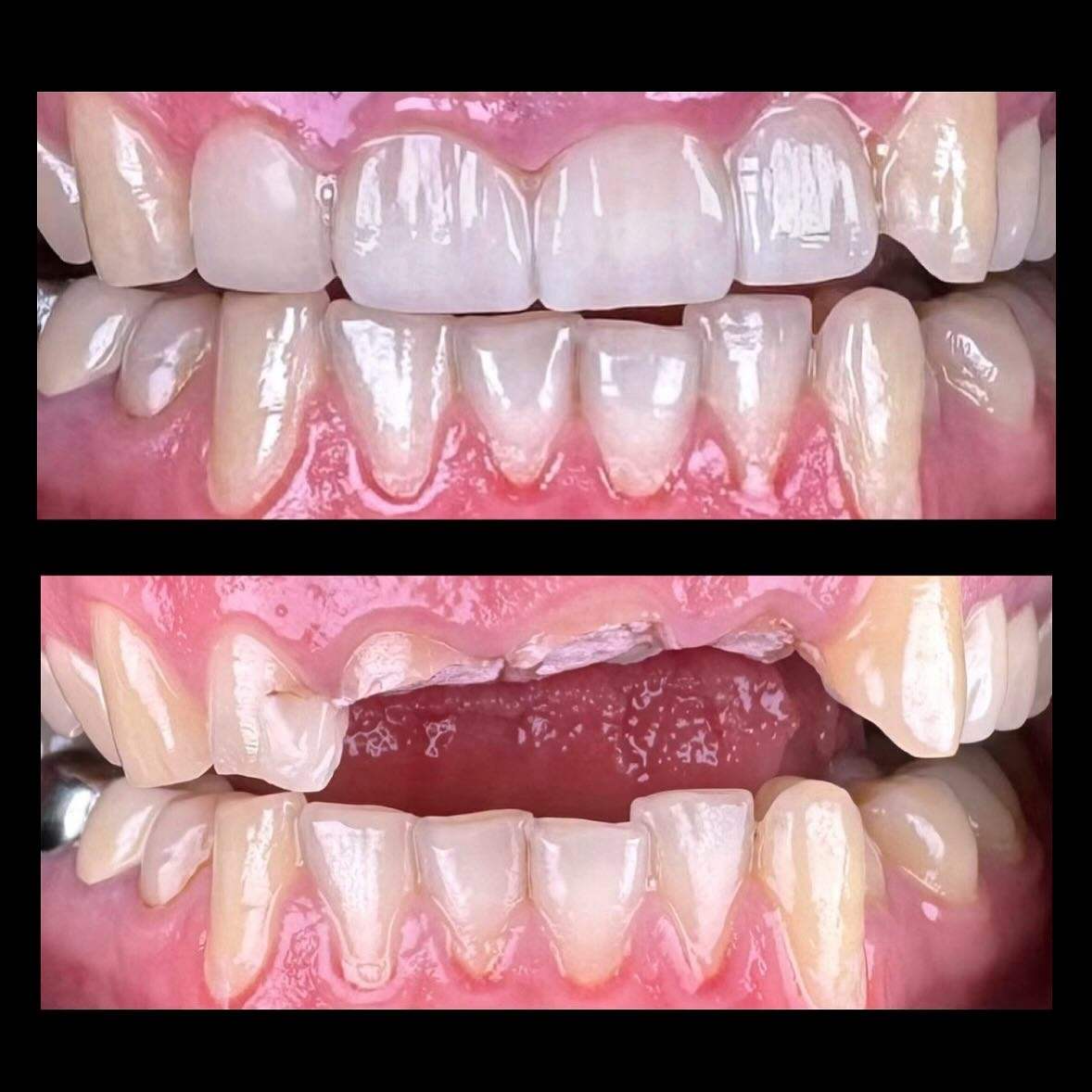
Veneers are micro-prostheses that cover the front surfaces of the teeth within the smile line. Veneers make it possible to restore the shape and color of a single tooth or a group of teeth, but unlike crowns, they do not cover the entire tooth — only one or two surfaces.
Advantages
- Fast fabrication; for composite veneers, one visit is often enough
- Durability, especially when ceramic veneers are used
- Excellent aesthetics due to the absence of metal and other opaque materials
Lumineers

Lumineers are ceramic tooth plates similar to veneers, but thinner. Lumineers practically do not require tooth preparation. At the same time, their strength is comparable to that of traditional veneers. The main purpose of lumineers is to conceal existing imperfections of the teeth and to give the patient a bright, radiant smile.
Advantages
- Little to no tooth preparation required
- Fast placement (a lumineer is installed in two to three dental visits)
- Minimal need for anesthesia
- No temporary restorations required
- Do not change color, unlike composite restorations and fillings
- Safe for the teeth
- Reduced susceptibility to tooth decay
- Enamel fluoridation due to the high fluoride content in the cement used to attach lumineers
Crown

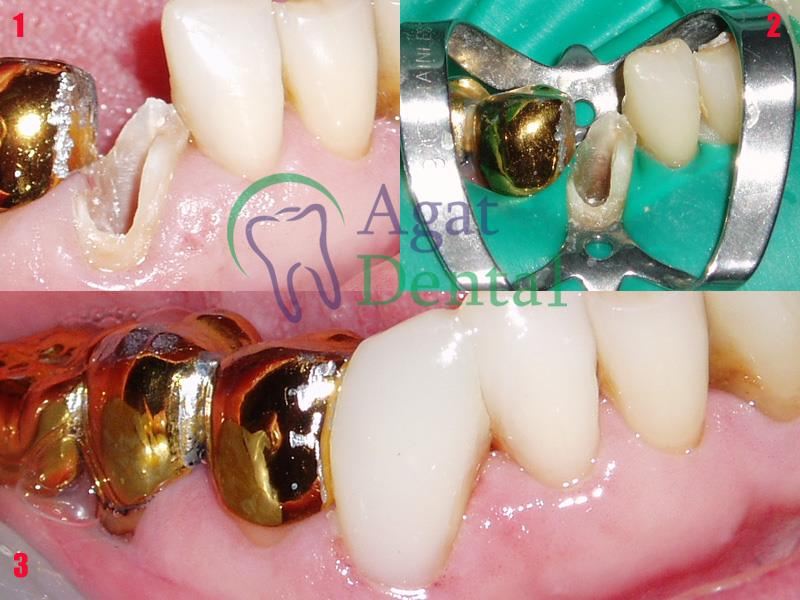
A crown is a single fixed prosthesis that replaces the visible part of a tooth. This type of prosthesis is made exclusively based on an individual impression and fully replicates the natural shape, color, and characteristics of the tooth. A high-quality crown is completely invisible and fully hides defects, chips, and other imperfections. In addition, a crown can serve as a support for other restorative structures, helping to restore the integrity of the dental arch. In such cases, in addition to aesthetic and chewing functions, the crown also acts as a base for other prosthetic components.
Advantages
- Aesthetic appearance
- Durability and strength depend on the material and the method of crown fabrication
- Affordable cost
- Cast crowns do not require extensive tooth preparation
- Tooth-colored ceramic crowns are ideal for restoring front teeth
- Ceramic crowns are biocompatible with tooth and gum tissues
- A crown placed on a non-vital tooth extends its functionality
Advantages

Implant-Supported Prosthetics
As a rule, fixed prosthetics on implants are used when a patient has small defects in the dental arch — that is, when one or several teeth are missing.
Removable prosthetics on implants

Removable prosthetics on implants are usually performed in cases of complete absence of teeth or when only a small number of teeth remain.
In this type of prosthetics, the connection between the denture and the implant works on the principle of a micro-lock: one part of the micro-lock is placed inside the denture, and the other part is placed in the portion of the implant that protrudes above the surface of the oral mucosa. When the denture is attached, the micro-lock clicks into place, providing a secure fixation inside the mouth.
Partially removable prostheses are used in cases of single missing teeth or when adjacent teeth are lost, as well as with minor defects of the dental arch. They may also serve as a temporary solution until a permanent restoration is chosen or created; they do not require constant removal and are almost unnoticeable during wear, causing no discomfort to the patient.
Fully removable dentures are used in cases of complete tooth loss and replace the entire jaw.
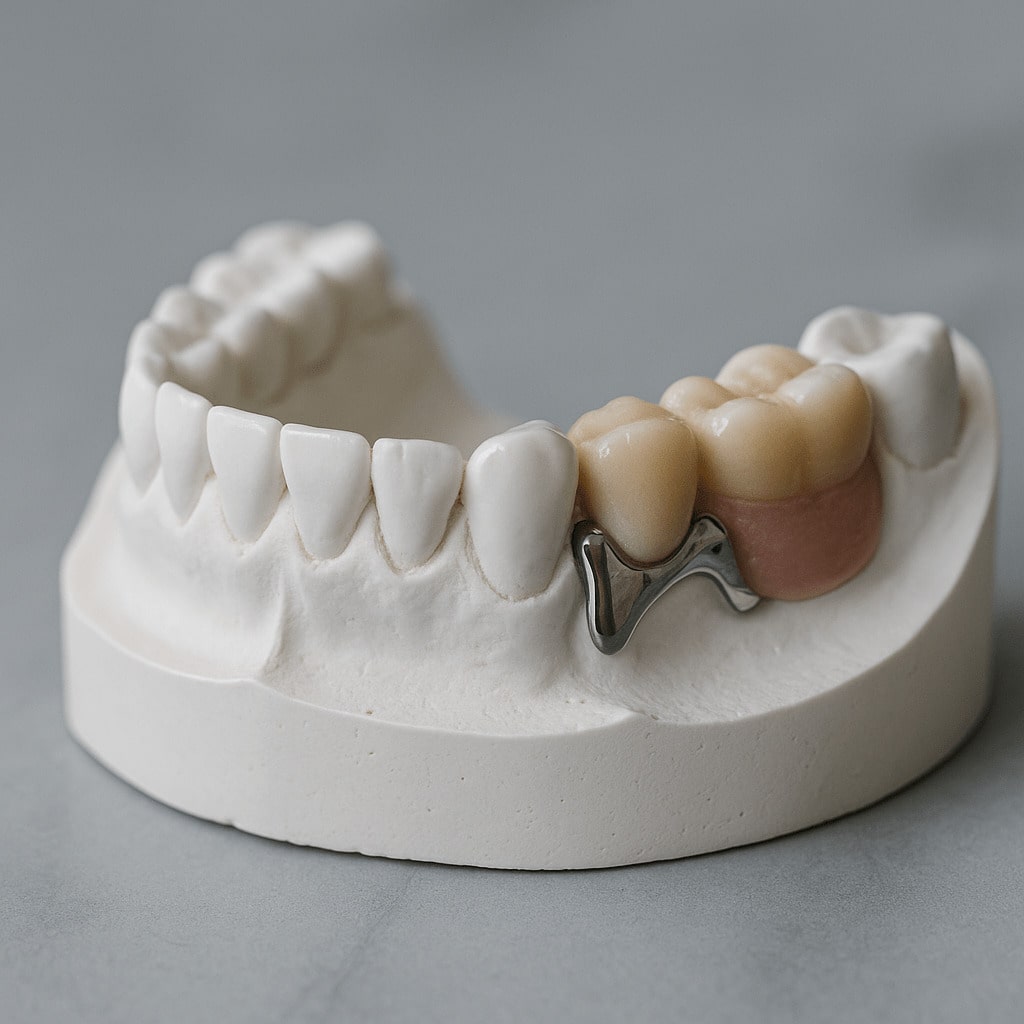
Cast partial denture (Bugel denture)

This is one type of removable prosthesis. Its name comes from the word “bügel,” meaning “arch.” Unlike most similar constructions made from plastic, a traditional bugel denture is built on a cast metal framework, onto which an acrylic base and artificial teeth are attached. The strong metal framework eliminates the need for a thick plastic layer, making the prosthesis smaller in volume and more comfortable to wear.
Advantages
- The size (thickness and volume) of a bugel denture is significantly smaller compared to plastic dentures.
- When placed on the upper jaw, only a thin metal arch is present near the front teeth, instead of a bulky plastic plate that interferes with taste and clear speech.
- For the lower jaw, a bugel denture provides more space for natural tongue movements, which is important for speech and chewing.
- The service life of a bugel denture can reach up to five years — twice as long as many other removable dentures.
- Bone and gum tissues in contact with the denture undergo less atrophy, which helps maintain better fixation and reduces pain or discomfort.
- A bugel denture is highly durable thanks to its cast metal framework with a securely attached acrylic base and firmly fixed artificial teeth.
Dental implantation
Implantology in dentistry focuses on restoring the functions of single missing teeth or groups of teeth. It can be considered a special type of fixed prosthetics. Dental implants are an alternative to removable dentures. And if the use of removable dentures is imposible or highly inconvenient due to aesthetic, professional, or other reasons, dental implantation becomes the ideal solution.
During dental implantation, a special structure (an implant) made of metal, plastic, or ceramic is surgically inserted into the jaw and used as a support for a dental prosthesis. There are many types of dental implants today, each with its own advantages and disadvantages.
Dental implantation is performed in three stages. At the first stage, the implant is surgically inserted into the jawbone. After the healing period, an abutment is attached to the implant screw — the connecting element between the artificial tooth and the implant. This is the second stage of the procedure. Then comes the process called “osseointegration,” during which the implant fuses with the bone and becomes part of the jaw. At the third stage, a dental prosthesis is fabricated and attached to the implant system. As a result, the new teeth look and feel like natural ones.
Absolute contraindications
- Diseases of the blood and hematopoietic organs. For example, impaired blood clotting makes any surgical intervention impossible due to the risk of severe bleeding.
- Diseases of the central nervous system (both congenital and acquired). The clearest example is psychiatric disorders, where the patient may inadequately perceive instructions during and after treatment.
- Malignant tumors of various organs and systems (cancer, sarcoma). Surgical intervention may influence tumor growth and metastasis.
- Immunopathological conditions (surgical procedures require a period of active and intense immune activity to ensure proper healing).
- Systemic connective tissue diseases, such as systemic lupus erythematosus, scleroderma, and various rheumatic or rheumatoid diseases.
- Tuberculosis and its complications.
- Certain diseases of the oral mucosa: chronic recurrent aphthous stomatitis, lupus erythematosus, pemphigus, Sjögren’s syndrome, and others.
- Type I diabetes.
- Hypertonicity of the masticatory muscles, bruxism.